
Spanish 21 is a popular blackjack variation that removes all tens from the deck but makes up for it with player-friendly rules and bonus payouts. While this might sound like a disadvantage, the game actually offers some of the best odds in the casino when you understand how to play it correctly. You’ll find Spanish 21 at many casinos under different names like Pontoon or Pirate 21.
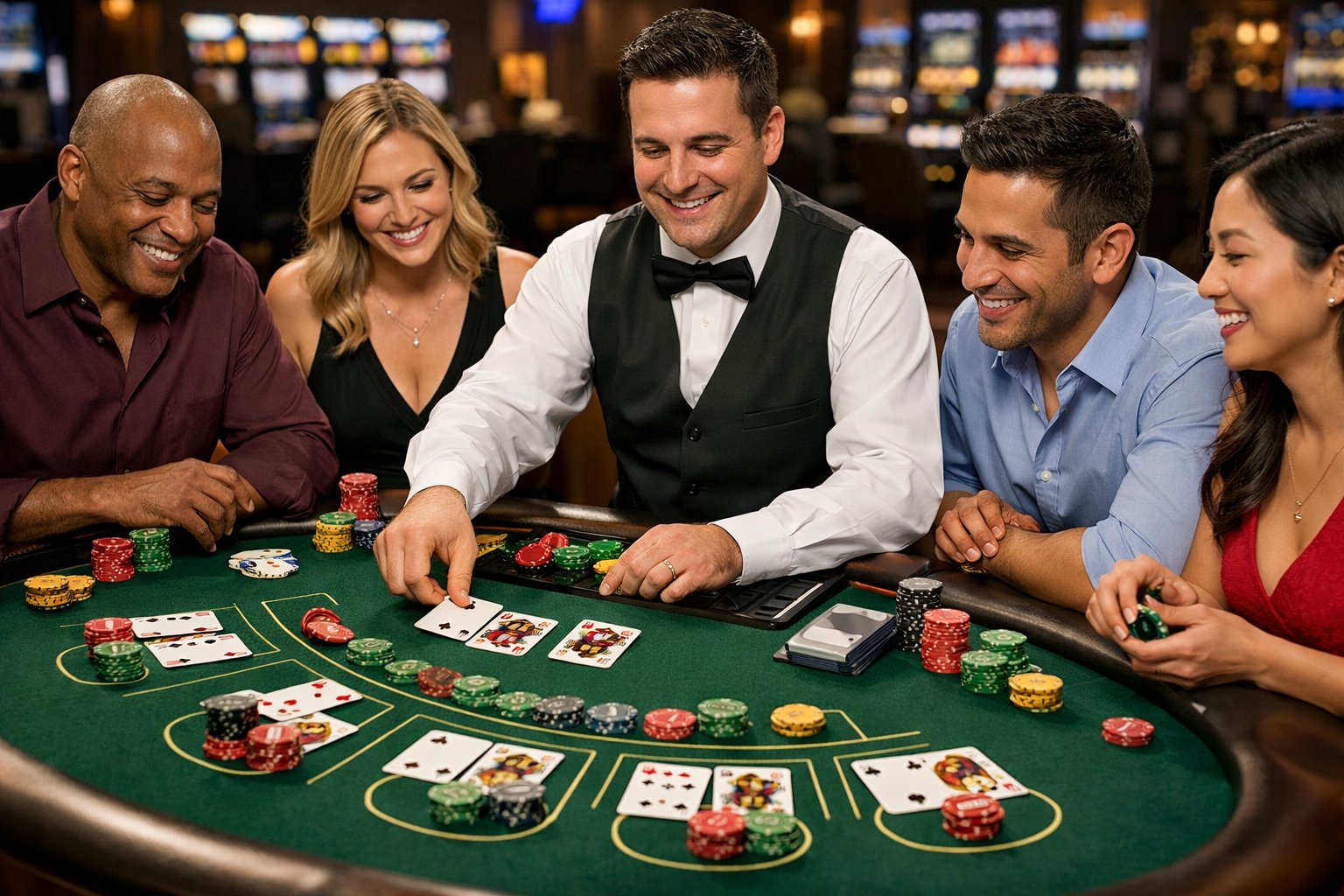
Spanish 21 is played with six or eight 48-card decks where all 10-value cards except face cards are removed, but players get special bonuses for certain hands and favorable rules like late surrender and the ability to double on any number of cards. The game follows basic blackjack principles where you try to beat the dealer by getting closer to 21 without going over. Your 21 always wins, even against a dealer’s 21.
Learning Spanish 21 gives you another option when standard blackjack tables are full or you want to try something different. This guide will walk you through everything from deck setup and card values to bonus payouts and basic strategy. You’ll learn what makes Spanish 21 unique and how to make smart decisions at the table.
What Is Spanish 21?
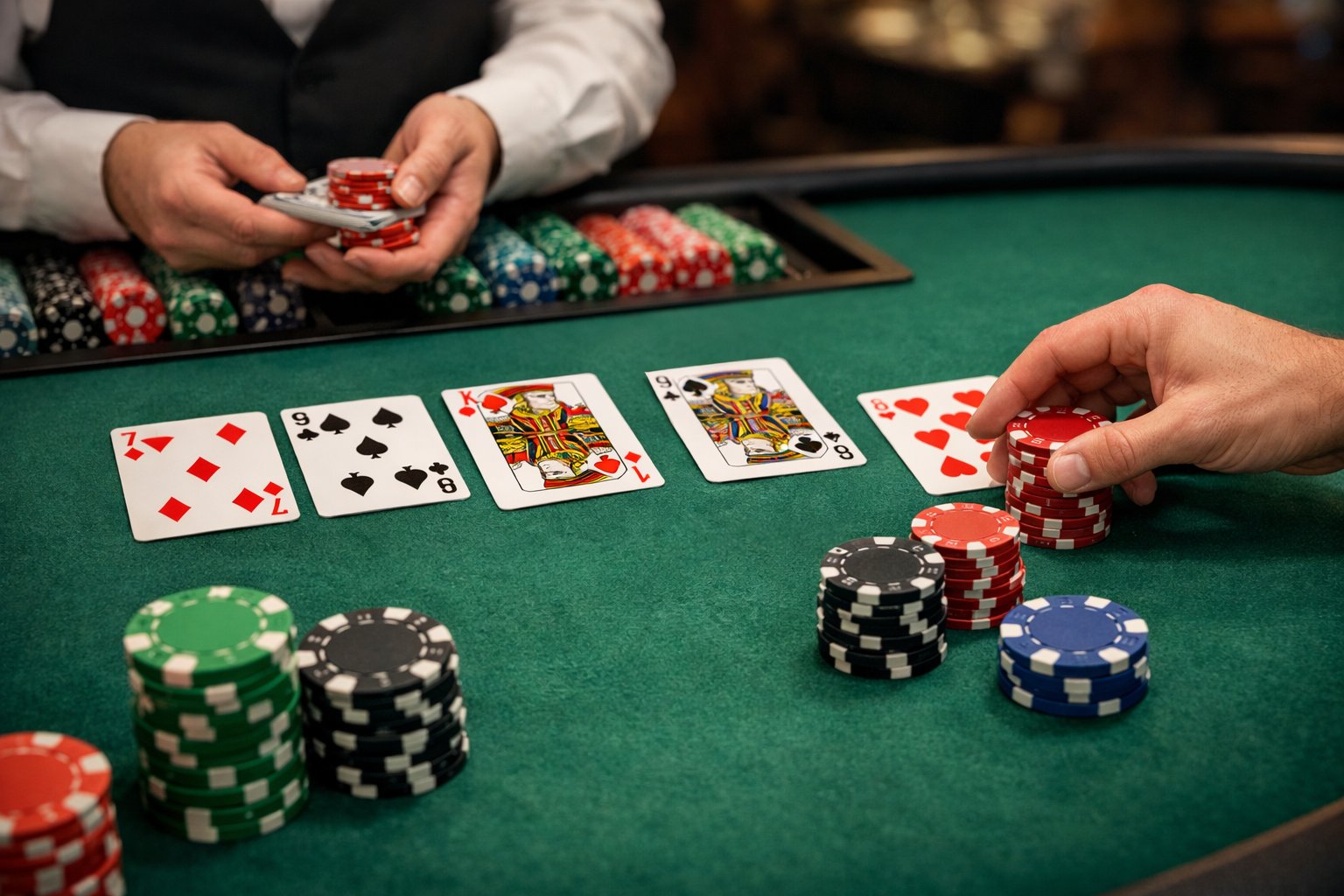
Spanish 21 is a blackjack variant that uses special 48-card decks with all 10s removed, but compensates players with bonus payouts and rules that favor you more than traditional blackjack. The game is also known as Pontoon in Australia and Malaysia, though Australian Pontoon has some rule differences.
Spanish 21 vs Blackjack
The main difference between Spanish 21 and blackjack is the deck composition. Spanish 21 removes all four 10-value cards from each deck, leaving 48 cards instead of 52. This change normally favors the casino, but Spanish 21 balances this with player-friendly rules.
In Spanish 21, your 21 always beats the dealer’s 21. You can double down on any number of cards, not just your first two. You can also surrender after doubling, which is called “double down rescue.”
The game offers bonus payouts that regular blackjack doesn’t have. A five-card 21 pays 3 to 2, a six-card 21 pays 2 to 1, and a seven-card or more 21 pays 3 to 1. Special combinations like 6-7-8 or 7-7-7 also earn bonus payouts based on suits.
Spanish 21 typically has a lower house edge than many blackjack games when played with proper strategy. The house edge ranges from 0.40% to 0.76% depending on specific rules.
History and Origins
Spanish 21 was developed as a casino table game variant to offer players more excitement than traditional blackjack. The name comes from the Spanish deck concept, which historically had 48 cards per deck. The game gained popularity in land-based casinos before spreading to online platforms.
Masque Publishing was involved in the development and distribution of Spanish 21 gaming software. The game has been marketed under different names at various casinos, including Pirate 21 at Betsoft online casinos and Bahama Bonus Blackjack at some Washington state casinos.
The game’s structure was designed to create more bonus opportunities and strategic decisions for players while maintaining the basic blackjack gameplay that casino customers already understood.
Spanish 21 in Online and Land-Based Casinos
You can find Spanish 21 at many land-based casinos across the United States and internationally. The game sits alongside other table games in casino pits and has become a standard offering at major gaming venues.
Online casinos also feature Spanish 21, making it accessible to players who prefer digital gaming. The online version follows the same rules as the land-based game, with six or eight Spanish decks used in the virtual shoe.
Rules may vary slightly between different casinos. Some allow redoubling up to three times, while others don’t. The dealer may hit or stand on soft 17 depending on the casino’s policy. Always check the specific rules at your casino before playing.
Spanish 21 Deck and Card Values
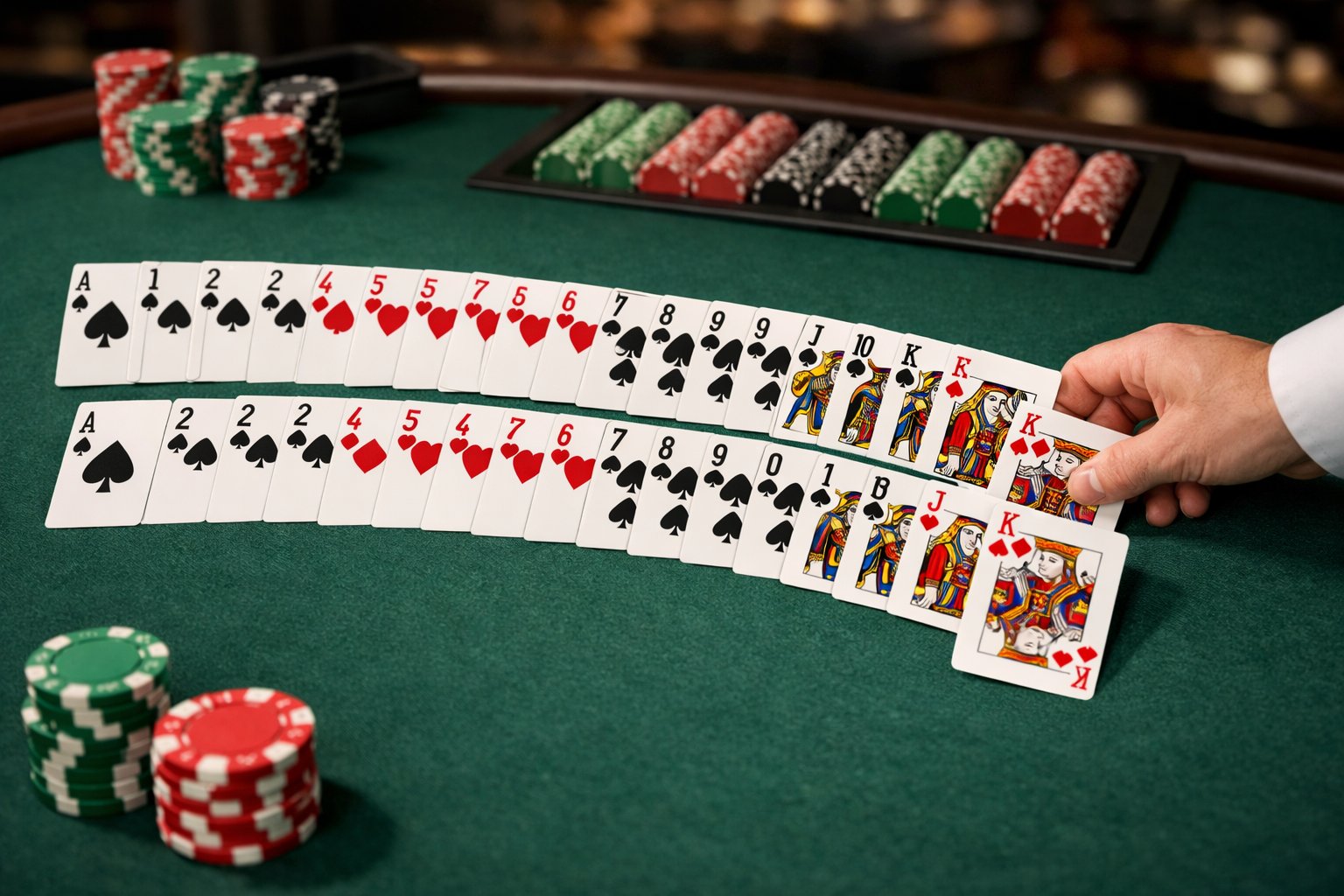
Spanish 21 uses a modified deck that removes all four 10-value numbered cards, creating a 48-card configuration instead of the standard 52 cards. This change affects the card composition you’ll encounter at the table, though face cards still retain their 10-value designation.
Spanish Deck Structure
A Spanish deck contains 48 cards because all four tens (one from each suit) are removed from the standard deck. The deck keeps all cards ranked 2 through 9, plus Jacks, Queens, Kings, and Aces. You’ll typically play Spanish 21 with six to eight Spanish decks in a shoe, giving you a total of 288 to 384 cards in play.
The removal of the numbered 10 cards is the defining feature of Spanish decks. This creates a deck with only 12 ranks instead of the usual 13. Each Spanish deck still maintains all four suits (hearts, diamonds, clubs, and spades), so you’ll find 12 cards per suit rather than 13.
Card Values in Spanish 21
The card values in Spanish 21 work almost identically to regular blackjack. Number cards from 2 through 9 count at their face value. Jacks, Queens, and Kings all count as 10, even though the numbered 10 cards are removed from the deck.
Aces carry a dual value that works to your advantage. You can count an Ace as either 1 or 11, depending on which value helps your hand more. This flexibility remains unchanged from traditional blackjack.
Here’s a breakdown of Spanish 21 card values:
| Card Type | Value |
|---|---|
| 2-9 | Face value |
| Jack, Queen, King | 10 |
| Ace | 1 or 11 |
Impact of the 48-Card Deck
The 48-card deck structure shifts the odds in the dealer’s favor because you have fewer 10-value cards available. With standard decks, you’d have 16 cards worth 10 points out of every 52 cards. In Spanish 21, you only have 12 cards worth 10 out of every 48 cards.
This reduction affects your chances of getting a natural 21 and makes it harder to reach strong hand totals. Casinos compensate for this disadvantage by offering you special bonuses and more flexible rules. You get benefits like late surrender, the ability to double on any number of cards, and bonus payouts for specific hand combinations.
The removed 10s also change basic strategy compared to traditional blackjack. You need to adjust your hitting and standing decisions because drawing a 10-value card becomes less likely with each hand you play.
Spanish 21 Rules and Gameplay
Spanish 21 uses a modified deck where all 10-value cards (not face cards) are removed, leaving 48 cards per deck instead of 52. The game compensates for this dealer advantage with player-friendly rules that don’t exist in traditional blackjack.
Objective of the Game
Your goal is to build a hand that totals closer to 21 than the dealer’s hand without going over 21. If your hand exceeds 21, you bust and lose immediately, regardless of the dealer’s outcome.
Player 21 always wins in Spanish 21, even if the dealer also has 21. This rule gives you a significant edge in tie situations. If you get a natural 21 (blackjack) and the dealer also has a blackjack, you win instead of pushing like in standard blackjack.
Hand rankings follow traditional blackjack values. Face cards count as 10, aces count as either 1 or 11, and numbered cards equal their face value. The removal of 10-value cards makes it harder to reach 21, but the bonus payouts and flexible rules balance this disadvantage.
Dealing Process
The game uses six or eight Spanish decks shuffled together. You place your bet before any cards are dealt.
The dealer gives you two cards face up. The dealer receives one card face up and one card face down. You can see one of the dealer’s cards, which helps you make decisions about your hand.
After the initial deal, you must decide how to play your hand based on your total and the dealer’s visible card. Multiple players can play at the same table, but you only compete against the dealer, not other players.
Fundamental Player Actions
You can hit to take another card or stand to keep your current total. Unlike regular blackjack rules, you can double down on any number of cards, not just your first two. This means you can hit several times, then double your bet if you like your position.
Late surrender lets you forfeit half your bet after seeing the dealer’s up card. You can even use double down rescue, where you surrender after doubling and lose only your original bet, not the doubled amount.
Splitting pairs follows liberal rules. You can split any pair, re-split up to three times for four total hands, and re-split aces. After splitting aces, you can hit and double down, which standard blackjack typically doesn’t allow.
Dealer Rules
The dealer must hit on 16 or less and stand on 17 or higher. Whether the dealer stands on soft 17 (an ace counted as 11 plus a 6) varies by casino and significantly affects the house edge.
When the dealer stands on soft 17, the house edge drops to about 0.40%. When the dealer hits soft 17, the house edge increases to around 0.76% without redoubling or 0.42% with redoubling allowed.
The dealer always acts last, which provides the house advantage. However, your 21 beating the dealer’s 21 offsets some of this edge.
Player Options and Special Moves
Spanish 21 gives you more flexibility than traditional blackjack with options like doubling on any number of cards, re-splitting aces, and surrendering after you double. You can also rescue half your bet after doubling down, which is unique to this game.
Double Down and Doubling Down
You can double down on any number of cards in Spanish 21, not just your first two. This means you can hit multiple times and still double your bet if you think one more card will give you a strong hand.
Some casinos allow redoubling up to three times. After you double once, you can double again on the next card if the situation looks good. This option increases your betting flexibility but also increases your risk.
The bonus payouts for hands like five-card 21s or 6-7-8 combinations do not apply after you double down. You give up these special payouts in exchange for the chance to bet more on a promising hand.
Double After Split
Double after split lets you double your bet after splitting a pair. This rule applies to most pairs in Spanish 21 and gives you more ways to increase your wager when you have an advantage.
You can use this option on any split pair, including aces. After you split aces, you can hit as many times as you want and then double down if your hand looks strong. This is different from regular blackjack, where split aces usually get only one card each.
Splitting and Resplitting Aces
Pair splitting works the same way as regular blackjack, but Spanish 21 lets you split any pair and then split again if you get another matching card. You can re-split aces multiple times, which is rare in blackjack games.
After splitting aces, you can hit and take as many cards as you want. You can even double down on split aces if the cards work in your favor. This makes aces more valuable in Spanish 21 than in standard blackjack.
Getting an ace and a face card after splitting counts as 21, not a blackjack. You win the hand but only get paid even money instead of the 3:2 blackjack payout.
Late Surrender and Double Down Rescue
Late surrender lets you give up your hand after the dealer checks for blackjack. You lose half your bet but save the other half when you have a weak hand against a strong dealer card.
Double down rescue, also called surrender after doubling, is a special option in Spanish 21. After you double down, you can surrender and get back half of your total bet (including the doubled amount). You lose an amount equal to your original bet but save the extra money you added when doubling.
This option helps limit losses when your doubled hand looks bad after you get your card. Not all casinos offer double down rescue, so check the table rules before you play.
Bonus Payouts and Side Bets
Spanish 21 offers bonus payouts for special 21 combinations and optional side bets like Match the Dealer. These bonus features reward specific card combinations with higher payouts than standard wins, while side bets add separate betting opportunities based on matching cards.
Bonus Hands and Special 21s
Spanish 21 payouts include automatic bonuses when you hit 21 with certain card combinations. These bonus 21 payoffs apply to your main bet without requiring any extra wager.
A five-card 21 pays 3:2. A six-card 21 pays 2:1, and a seven-card or more 21 pays 3:1. These multi-card bonuses reward you for building 21 gradually instead of getting there in two or three cards.
Suited combinations offer even better returns:
- Suited 6-7-8 pays 2:1
- Suited 7-7-7 pays 3:1
- Mixed-suit 6-7-8 pays 3:2
- Mixed-suit 7-7-7 pays 3:2
You receive these bonus payouts automatically when you make the qualifying hand. The dealer pays you immediately, even before resolving other players’ hands.
Super Bonus and Envy Bonus
The super bonus is a special feature built into Spanish 21. You don’t place a separate bet for it. When you make a suited 7-7-7 while the dealer shows a seven, you win a fixed bonus based on your bet size.
Super bonus payouts work like this:
- $5-$24 bet: $1,000
- $25 or more bet: $5,000
The envy bonus rewards other players at the table when someone hits the super bonus. Each other player receives $50 for each super bonus winner, regardless of their own hand. You must have bet at least $5 to qualify for envy bonus payments.
Match the Dealer Side Bet
The match the dealer bet is the most popular Spanish 21 side bet. You win if one or both of your first two cards match the dealer’s upcard in rank.
Your match the dealer side bet pays 4:1 for a non-suited match and 9:1 for a suited match. If both your cards match the dealer’s upcard, you get paid separately for each match.
This bet resolves immediately after the initial deal. You can win your match the dealer side bet even if you lose your main hand. The house edge is higher than the main game, so treat it as entertainment rather than your primary strategy.
Spanish 21 Basic Strategy
Spanish 21 basic strategy differs significantly from standard blackjack because the game removes all 10-value cards from the deck. This changes when you should hit, stand, double down, or split. The strategy compensates for the missing tens by taking advantage of player-friendly rules that lower the house edge.
Difference from Blackjack Strategy
You need to adjust your play substantially from regular blackjack strategy. The removal of tens means dealer busts less often, so you should hit more frequently on hands like 12 through 16.
When the dealer hits soft 17, you should hit any hard 17 with three or more cards against a dealer ace. This contradicts standard blackjack advice, but the math supports it. You’ll save about 2.8% of your bet by hitting instead of standing.
You should also hit soft 18 against a dealer 9, 10, or ace. Double down more aggressively on soft hands, especially soft 15, 16, and 17 against dealer weak cards. Split aces against any dealer up card, and you can often re-split them.
The strategy varies slightly based on whether the dealer hits or stands on soft 17. You can find detailed Spanish 21 strategy charts that show the correct play for every hand combination.
House Edge and Player-Friendly Rules
The house edge ranges from 0.40% to 0.76% with proper basic strategy. When the dealer stands on soft 17, the house edge drops to 0.40%. When the dealer hits soft 17 without redoubling allowed, it increases to 0.76%.
Several player-friendly rules offset the disadvantage of missing tens:
- Your 21 always beats the dealer’s 21
- You can double down on any number of cards
- You can surrender after doubling (called double down rescue)
- Late surrender is allowed
- You can hit and double after splitting aces
Bonus payouts further reduce the effective house edge. A five-card 21 pays 3 to 2, six-card 21 pays 2 to 1, and seven or more cards pays 3 to 1.
Insurance and Other Advanced Options
You should avoid the insurance bet in Spanish 21. The lack of tens in the deck makes insurance even worse than in regular blackjack. The dealer has fewer natural blackjacks, so the payout doesn’t justify the risk.
Use the double down rescue option when your doubled hand looks weak against a strong dealer up card. You forfeit your original bet but save the double portion. This works best on borderline doubles that go wrong.
Take late surrender against dealer aces and face cards when you hold hard 15, 16, or 17. The surrender option becomes more valuable because the dealer busts less often without tens in the shoe. Redoubling (when allowed) gives you another chance to increase your bet on strong totals like 10 or 11, especially against dealer weak cards.
Tips for Playing Spanish 21
Success at Spanish 21 depends on choosing the right table and avoiding common errors that cost you money. Using strategy charts and understanding rule variations will help you play with confidence and keep the house edge low.
Table Selection and Rules Variations
Not all Spanish 21 tables offer the same rules. Look for tables where the dealer stands on soft 17 instead of hitting it. This single rule change reduces the house edge by about 0.36%.
Check if the casino allows redoubling. Some tables let you double down again after your first double, up to three times. This player-friendly rule can lower the house edge to around 0.42%.
Ask about bonus payments after splitting. Most casinos don’t pay bonuses on hands that come from splits, but a few do. While this only affects the house edge by about 0.01%, every bit helps.
The number of decks matters less in Spanish 21 than in regular blackjack. You’ll typically see six or eight Spanish decks. Eight-deck games slightly favor the player when it comes to the Super Bonus probability.
Common Mistakes to Avoid
Many players refuse to hit on 17 against a dealer’s ace when holding three or more cards. This feels wrong, but hitting saves you about 2.8% of your bet. The dealers might advise against it, and other players might complain, but the math supports this play.
Don’t forget about the double down rescue option. If you double and get a bad card, you can surrender and lose only your original bet. This unique Spanish 21 rule gives you an escape option that standard blackjack doesn’t offer.
Avoid chasing the Super Bonus. It pays $5,000 for bets of $25 or more when you get three suited sevens while the dealer shows a seven. The odds are 1 in 549,188 with eight decks. Betting more just to qualify for this bonus will cost you more money over time.
Don’t play basic blackjack strategy at a Spanish 21 table. The missing tens change the correct plays for many hands.
Learning Tools and Strategy Charts
Print out a Spanish 21 strategy chart before you play. Most casinos allow you to bring strategy cards to the table. These charts show you exactly when to hit, stand, double, or split based on your cards and the dealer’s up card.
Start with the basic strategy that matches your table’s rules. Charts differ based on whether the dealer hits or stands on soft 17 and whether redoubling is allowed.
Practice with free online Spanish 21 games before risking real money. This helps you memorize the strategy and get comfortable with the game’s unique bonuses.
Focus on learning the most common situations first. You’ll face decisions about hard totals of 12-16 against dealer up cards of 2-6 much more often than exotic bonus situations.
Frequently Asked Questions
Spanish 21 raises many questions for new players, especially about rules, strategy, and how it differs from regular blackjack. These answers will help you understand the game better and make smarter decisions at the table.
What are the basic rules beginners should know when starting to play Spanish 21?
Spanish 21 uses six or eight decks with all 10-value cards removed, leaving 48 cards per deck instead of 52. Your goal is to beat the dealer by getting closer to 21 without going over.
You can double down on any number of cards, not just your first two. You can also surrender after doubling, which means you give up an amount equal to your original bet. This option is called double down rescue.
Player 21 always beats dealer 21, and your blackjack always beats the dealer’s blackjack. You can re-split aces and usually hit or double after splitting them. Late surrender is allowed in most games.
Can you explain the differences between Spanish 21 and traditional Blackjack?
The biggest difference is that Spanish 21 removes all four 10-value cards from each deck. This gives the house a natural advantage since fewer 10s make it harder to get blackjack or strong hands.
To balance this removal, Spanish 21 offers bonus payouts and player-friendly rules. A five-card 21 pays 3 to 2, a six-card 21 pays 2 to 1, and seven or more cards totaling 21 pays 3 to 1. Special hands like 6-7-8 or 7-7-7 also pay bonuses.
You get more flexibility with doubling and splitting in Spanish 21. Traditional blackjack typically restricts these options more than Spanish 21 does.
Are there any strategies for increasing the odds of winning at Spanish 21?
You should hit on 17 when you have three or more cards and the dealer shows an ace. This goes against what many players think, but the math supports this play.
Take advantage of the double down rescue option when your doubled hand looks weak against a strong dealer card. Surrender saves you money in the long run when used correctly.
The house edge in Spanish 21 ranges from 0.40% to 0.76% depending on specific rules. Games where the dealer stands on soft 17 give you better odds at 0.40%. When redoubling is allowed and the dealer hits soft 17, the edge is 0.42%.
What are the side bets one can place in Spanish 21, and how do they work?
Match the Dealer is the most common side bet in Spanish 21. You win if either of your first two cards matches the dealer’s up card in rank. You get a bigger payout if the card also matches in suit.
The Super Bonus pays $1,000 for bets between $5 and $24, or $5,000 for bets of $25 or more. You hit this bonus when you get a suited 7-7-7 and the dealer shows a seven. Other players at the table also get a $50 envy bonus when someone wins the Super Bonus.
The house edge on Match the Dealer is about 3% with six decks and slightly less with eight decks. The Super Bonus occurs roughly once every 549,000 to 668,000 hands depending on the number of decks used.
How can someone play Spanish 21 online for free to practice the game?
Many online casinos offer free play versions of Spanish 21 that don’t require real money. You can access these games through your web browser without downloading software.
Look for casino sites that provide demo or practice modes. These let you test different strategies and get comfortable with the bonus payouts before risking real money.
Free mobile apps also offer Spanish 21 practice games. These work well for learning basic strategy and understanding when to use special rules like double down rescue.
What is a Spanish 21 cheat sheet and how can it aid in playing the game effectively?
A Spanish 21 cheat sheet is a strategy chart that tells you the mathematically best play for every hand situation. It shows when to hit, stand, double, split, or surrender based on your cards and the dealer’s up card.
The basic strategy differs depending on whether the dealer hits or stands on soft 17. Your cheat sheet should match the specific rules at your casino. You can legally bring these charts to most casino tables.
Cheat sheets help you avoid costly mistakes that come from gut feelings or hunches. Following basic strategy reduces the house edge to its minimum level for the rules you’re playing under.